
400 MBPS
Showing all 2 resultsSorted by popularity
-
Dell Storage Devices, Storage Devices
HN8H6 Dell 960gb Pcie Gen4 X4 Nvme M.2 Tlc Solid State Drive SSD
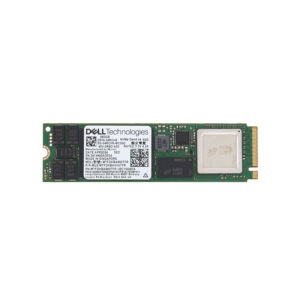 Dell Storage Devices, Storage Devices
HN8H6 Dell 960gb Pcie Gen4 X4 Nvme M.2 Tlc Solid State Drive SSD
HN8H6 Overview
The Dell 960GB Data Center NVMe SSD you’re asking about — Dell HN8H6 — is a 960 GB Self‑Encrypting (SED), enterprise‑grade PCIe Gen4 ×4 NVMe M.2 solid‑state drive optimized for read‑intensive workloads in server environments.
It uses the compact M.2 2280 form factor and 3D TLC NAND flash memory, delivering a strong blend of high throughput, low latency, and reliability for enterprise applications like boot volumes, virtualization caching, web services, analytics, and cloud workloads. The PCIe Gen4 ×4 NVMe interface provides much faster data transfer and reduced latency compared with older SATA or PCIe Gen3 drives, helping your system respond quickly to frequent data reads.SKU: HN8H6 -
Micron Storage Devices, Storage Devices
MTFDKCB6T4TFC-1AZ1ZABYY Micron 6.4TB PCI-E Gen4 7400 Max Series SSD
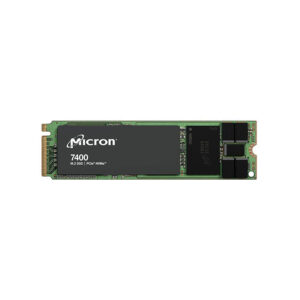 Micron Storage Devices, Storage Devices
MTFDKCB6T4TFC-1AZ1ZABYY Micron 6.4TB PCI-E Gen4 7400 Max Series SSD
MTFDKCB6T4TFC-1AZ1ZABYY Overview
One of the key advantages of SSDs over traditional hard disk drives (HDD) is their improved reliability. Because SSDs have no moving parts, they are less likely to fail due to mechanical issues such as head crashes or motor failures. Additionally, SSDs can handle physical shocks and vibrations better than HDDs, making them more suitable for use in mobile devices or other environments where the drive may be subject to movement.
The durability of an SSD is also enhanced by the lack of moving parts, as the lack of moving parts reduces the risk of damage due to impact or other physical forces. Additionally, SSDs use flash memory.SKU: MTFDKCB6T4TFC-1AZ1ZABYY